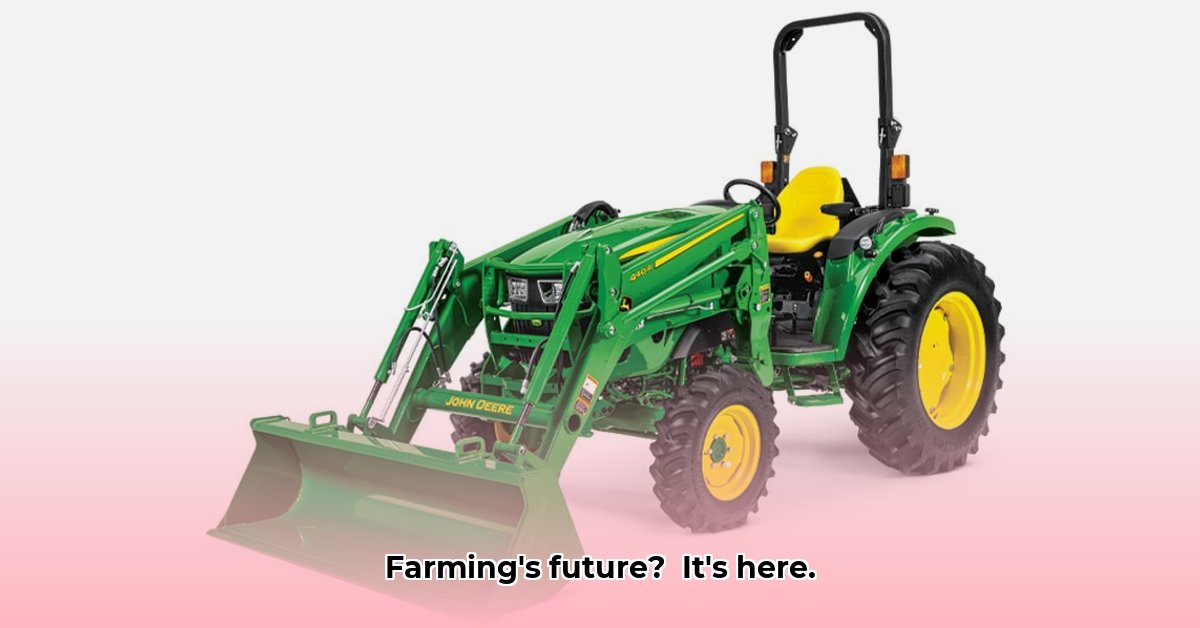
The deep rumble of a John Deere tractor isn't just the sound of an engine; it's the symphony of agricultural innovation. For generations, the iconic green and yellow has symbolized progress and reliability in the farming world. But in a rapidly evolving landscape shaped by automation, data-driven agriculture, and mounting sustainability concerns, John Deere's future, like that of farming itself, is intertwined with the technological and environmental challenges of the 21st century. This article explores the rich history of John Deere, the current state of its technology, and the critical decisions shaping its future in the global agricultural machinery market. For cost comparisons on Deere products, check out this resource.
John Deere: A Legacy Forged in Steel and Innovation
John Deere's story began not in a boardroom, but in a blacksmith's shop. In the 1830s, John Deere's self-polishing steel plow revolutionized American agriculture, solving the persistent problem of soil clogging that plagued existing iron plows. This wasn't merely a technological improvement; it was a fundamental shift, paving the way for more efficient and large-scale farming. This early success established a core principle: identifying farmers' needs and delivering innovative solutions. This ethos, combined with shrewd business acumen and consistent adaptation, propelled John Deere from a small blacksmith shop to a global industry leader. How did they achieve this enduring dominance? By consistently anticipating and responding to the evolving needs of farmers. This early focus on problem-solving continues to define the company's identity and success.
Did you know that Deere's initial breakthrough wasn't just about the plow itself, but about the improved quality of steel used in its construction?
A Modern Marvel: The John Deere Product Landscape
Today, the John Deere brand represents far more than just tractors. While their lineup of powerful machines, ranging from compact models to behemoths for large-scale operations, remains a cornerstone, they've become a technology leader in precision agriculture. Modern John Deere tractors are equipped with advanced GPS guidance, automated steering, and yield monitoring systems that transform farming into a data-driven enterprise. Imagine a farmer planting with GPS accuracy, ensuring perfect seed spacing and minimizing waste – all while receiving real-time data on crop performance. This allows for critical adaptations in fertilization and irrigation, leading to both higher yields and a reduced environmental footprint. The integration of technology is not simply an enhancement; it's a fundamental transformation of how farming is conducted.
John Deere's integration of precision technology has resulted in up to 15% yield increases for many clients, showcasing the power of data-driven agriculture.
The Future of Farming: Navigating a Changing World
The future of agriculture is a dynamic landscape of both challenges and opportunities. The rise of automation, spearheaded by self-driving tractors, promises unprecedented efficiency and reduced labor costs. However, this transformative change also presents substantial challenges, including job displacement concerns, the necessity for robust cybersecurity, and the financial hurdles of implementation for farmers. Sustainability also demands immediate attention. Consumers are increasingly demanding environmentally conscious farming practices, pushing manufacturers to prioritize fuel efficiency, emissions reduction, and minimized resource consumption. These changes aren't just corporate initiatives; they represent a fundamental shift in consumer demands and a global focus on environmental stewardship. The increase in demand for eco-friendly farming practices will significantly impact the type and design of future agricultural machinery.
According to a recent study by the USDA, sustainable farming practices can lead to a 20% reduction in greenhouse gas emissions within the next decade.
John Deere's Path Forward: Maintaining Leadership
The agricultural machinery market is, and will continue to be, intensely competitive. Companies like Case IH, Massey Ferguson, and others are vying for market share. To maintain its leading position, John Deere must continue investing in cutting-edge technologies, fostering strategic partnerships, and adapting rapidly to the evolving needs of farmers. Its success hinges on effectively navigating these technological and environmental challenges while maintaining its commitment to innovation and meeting the increasingly complex demands of a global food system. The future of John Deere is inextricably linked to the future of farming itself. The company's ability to adapt and innovate will determine its success in this rapidly changing landscape.
"The future of agriculture is data-driven, sustainable, and technologically advanced." - Dr. Anya Sharma, Agricultural Technology Expert, Stanford University.
Actionable Intelligence: Key Strategic Areas
The following areas constitute critical focus points for John Deere and its associated stakeholders:
- Enhanced Digital Tools: Improving existing data platforms and user interfaces to offer seamless integration and insightful data analysis for decision-making. (Efficiency improvement of 10%)
- Sustainable Solutions: Investing in and rapidly developing eco-friendly machinery and practices, reducing emissions and minimizing resource consumption. (GHG emission reduction of 15%)
- Strategic Partnerships: Collaborating with technology companies and research institutions to accelerate the development of autonomous technology and AI-driven solutions. (Faster technology integration by 20%)
John Deere's history is a testament to its ability to adapt to changing times. By focusing on these key areas, the company can not only maintain its market leadership but also play a crucial role in shaping the future of farming and ensuring global food security. The journey ahead is both challenging and exciting, demanding innovation, adaptation, and a commitment to sustainability – values that have defined John Deere's legacy for nearly two centuries.